
Capacity and Demand Uncertainty
Long-lived infrastructure choices may need to accommodate changing customer requirements, workload profiles, technology densities, deployment horizons, and patterns of digital demand.
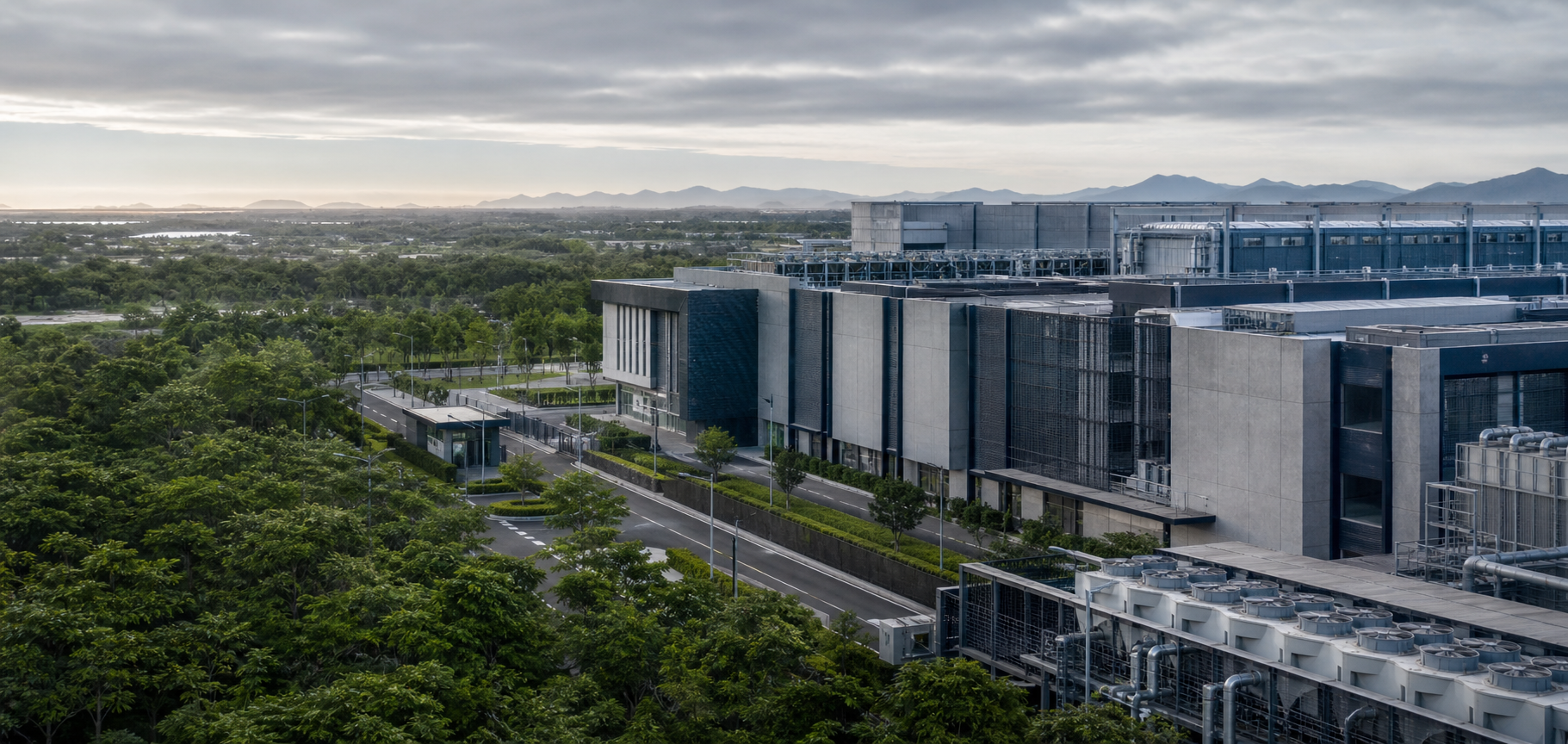
Data centers are becoming strategic infrastructure for cloud services, artificial intelligence, digital platforms, and the resilient operation of an increasingly connected economy.
Data centers support the computing, storage, connectivity, and digital-service environments on which organisations and economies increasingly depend. Their role extends beyond physical facilities to connected systems of power, cooling, technology, operations, people, security, supply chains, and governance.
Growth in cloud services, artificial intelligence, data-intensive applications, and digital platforms may increase demand for capacity while also intensifying questions about resilience, energy availability, resource efficiency, location, ecosystem coordination, and long-term adaptability.
Data-centre organisations may face interconnected challenges as infrastructure demand, technology requirements, energy conditions, operating responsibilities, and stakeholder expectations evolve at different speeds.
Long-lived infrastructure choices may need to accommodate changing customer requirements, workload profiles, technology densities, deployment horizons, and patterns of digital demand.
Power availability, grid relationships, cooling, water considerations, land, materials, and operating efficiency may shape where and how capacity can evolve.
Service continuity may depend on connected facilities, networks, utilities, technology, suppliers, people, processes, security responsibilities, and recovery arrangements.
Expansion priorities may need to be considered alongside capital discipline, accountable governance, environmental responsibility, workforce capability, community context, and long-term enterprise obligations.
These challenges are contextual and non-exhaustive. They are not findings about a particular facility or organisation and do not indicate technical deficiency, service risk, non-compliance, resource impact, or investment suitability.
Dayananta views data-centre development as an enterprise undertaking rather than a collection of isolated facility, technology, energy, financing, or operational projects.
Strategic direction, governance, capacity, capital, energy, technology, operations, people, suppliers, customers, and stakeholder responsibilities need to be considered as connected parts of the infrastructure system.
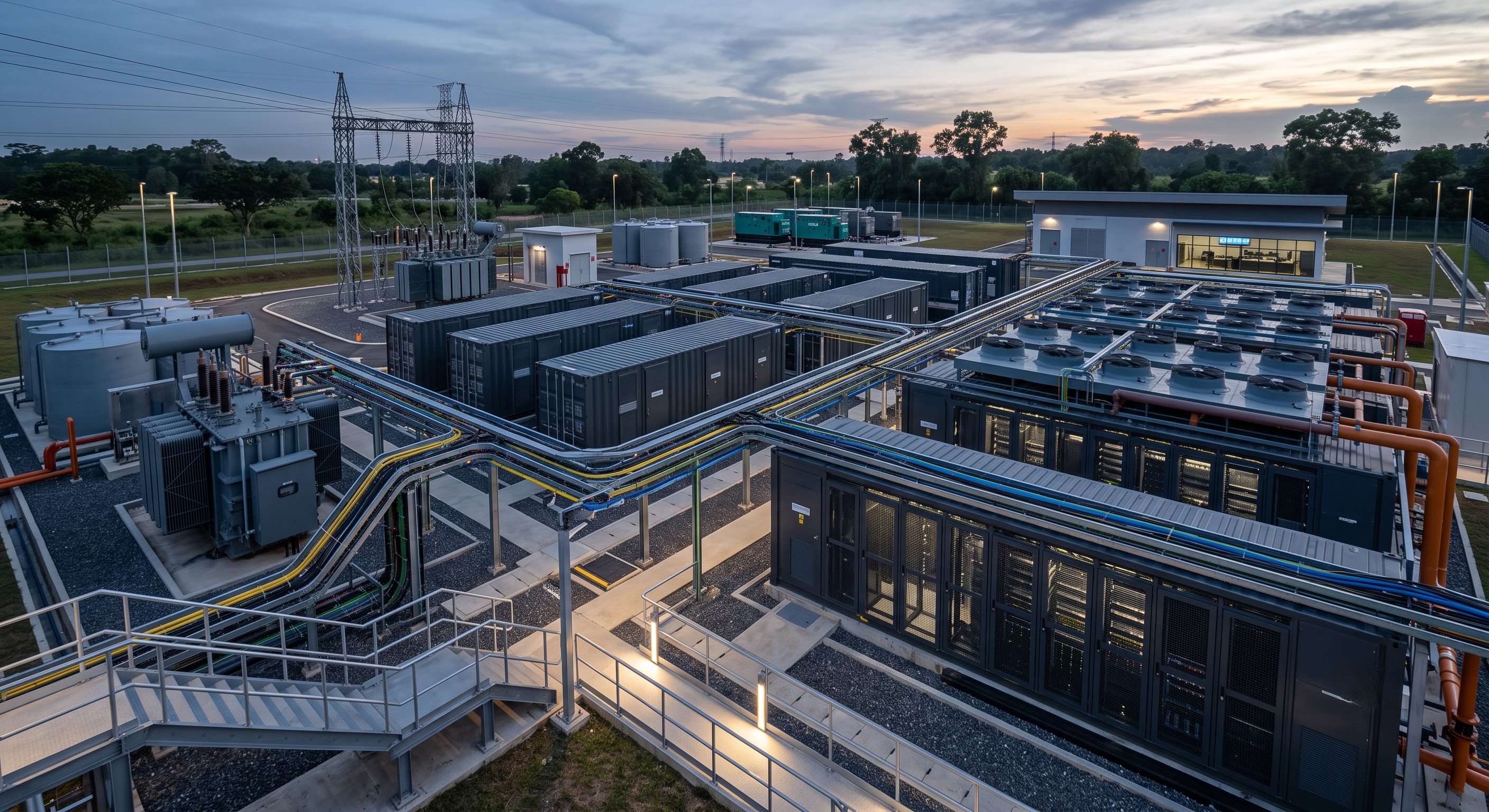
Priorities will vary by organisation and location, but infrastructure evolution may require coordinated leadership attention across the following enterprise dimensions.
Relate capacity choices, demand assumptions, location strategy, capital commitments, and delivery horizons to the organisation's long-term enterprise direction.
Consider power, cooling, water, land, materials, efficiency, and relevant environmental responsibilities as connected infrastructure constraints and choices.
Connect facility, technology, network, supplier, workforce, security, maintenance, continuity, and recovery considerations across critical operations.
Consider how infrastructure can respond to changing compute densities, workload patterns, platform requirements, and technology lifecycles without presuming a single technical solution.
Clarify decision rights, risk ownership, accountability, partnerships, and dependencies across developers, operators, utilities, suppliers, customers, and relevant stakeholders.
Strengthen the leadership, workforce, evidence, learning, and review capabilities required to govern expansion and long-term infrastructure performance responsibly.
These priorities are conceptual leadership considerations, not a prescribed sequence, engineering standard, sustainability framework, site plan, technical architecture, investment model, service package, or exhaustive development agenda. Their relevance depends on context and accountable professional decisions.
Data-centre growth depends on more than adding physical capacity. Leadership needs to consider how demand, capital, energy, technology, operating resilience, organisational capability, and stakeholder responsibilities interact across the infrastructure lifecycle.
Cloud and artificial-intelligence workloads may influence capacity and technology requirements, but readiness cannot be reduced to a single facility specification or investment decision. It depends on a wider system of infrastructure, governance, skills, operating discipline, supply relationships, and adaptability.
A connected enterprise perspective can help leadership examine how growth choices support long-term digital infrastructure needs while remaining responsive to resource conditions, operational obligations, and changing technology.
Consider how demand, location, capital, delivery horizons, and infrastructure constraints shape responsible capacity choices.
Examine the dependencies and operating disciplines required to support continuity across facilities, utilities, technology, networks, suppliers, and people.
Relate energy, water, land, materials, efficiency, and stakeholder considerations to infrastructure decisions without implying a universal sustainability result.
Maintain the governance, workforce, evidence, and learning capacity required to respond as workloads, technologies, and operating conditions evolve.
These lenses are conceptual and non-exhaustive. They do not constitute technical requirements, capacity forecasts, engineering criteria, environmental claims, investment criteria, performance measures, or guarantees of resilience, efficiency, sustainability, readiness, or growth.
A connected enterprise perspective may help data-centre leadership strengthen the basis on which infrastructure choices are governed, coordinated, and reviewed.
Clearer connection among enterprise direction, demand assumptions, capacity priorities, capital choices, and delivery horizons.
Greater visibility of the dependencies that influence service continuity across facilities, utilities, technology, networks, suppliers, processes, and people.
A more integrated basis for considering energy, cooling, water, land, materials, efficiency, and relevant environmental responsibilities.
Clearer decision rights, accountability, risk ownership, escalation, and coordination across the infrastructure ecosystem.
Stronger leadership, workforce, evidence, learning, and review capacity as technology and operating conditions evolve.
A more coherent basis for relating capacity growth to resilience, resource conditions, stakeholder responsibilities, and long-term enterprise value.
These are intended institutional contributions, not guaranteed capacity, availability, uptime, resilience, security, efficiency, environmental, sustainability, cost, revenue, return, growth, stakeholder, or performance outcomes. Actual results depend on context, design, governance, resources, technology, people, suppliers, operating conditions, professional decisions, and execution.
Which demand assumptions, capacity choices, locations, capital commitments, and delivery horizons require clearer enterprise alignment?
Where do power, cooling, water, land, technology, networks, suppliers, and workforce dependencies require stronger leadership visibility?
How are service continuity, security responsibilities, resource conditions, environmental considerations, and stakeholder obligations reflected in growth decisions?
Which decision rights, capabilities, evidence, and review disciplines are needed as workloads, technologies, and operating conditions evolve?
Engage with Dayananta to explore how an enterprise perspective may support your organisation's consideration of data-centre capacity, resilience, resource interdependence, institutional capability, and responsible long-term growth.