Dayananta DAYANANTA
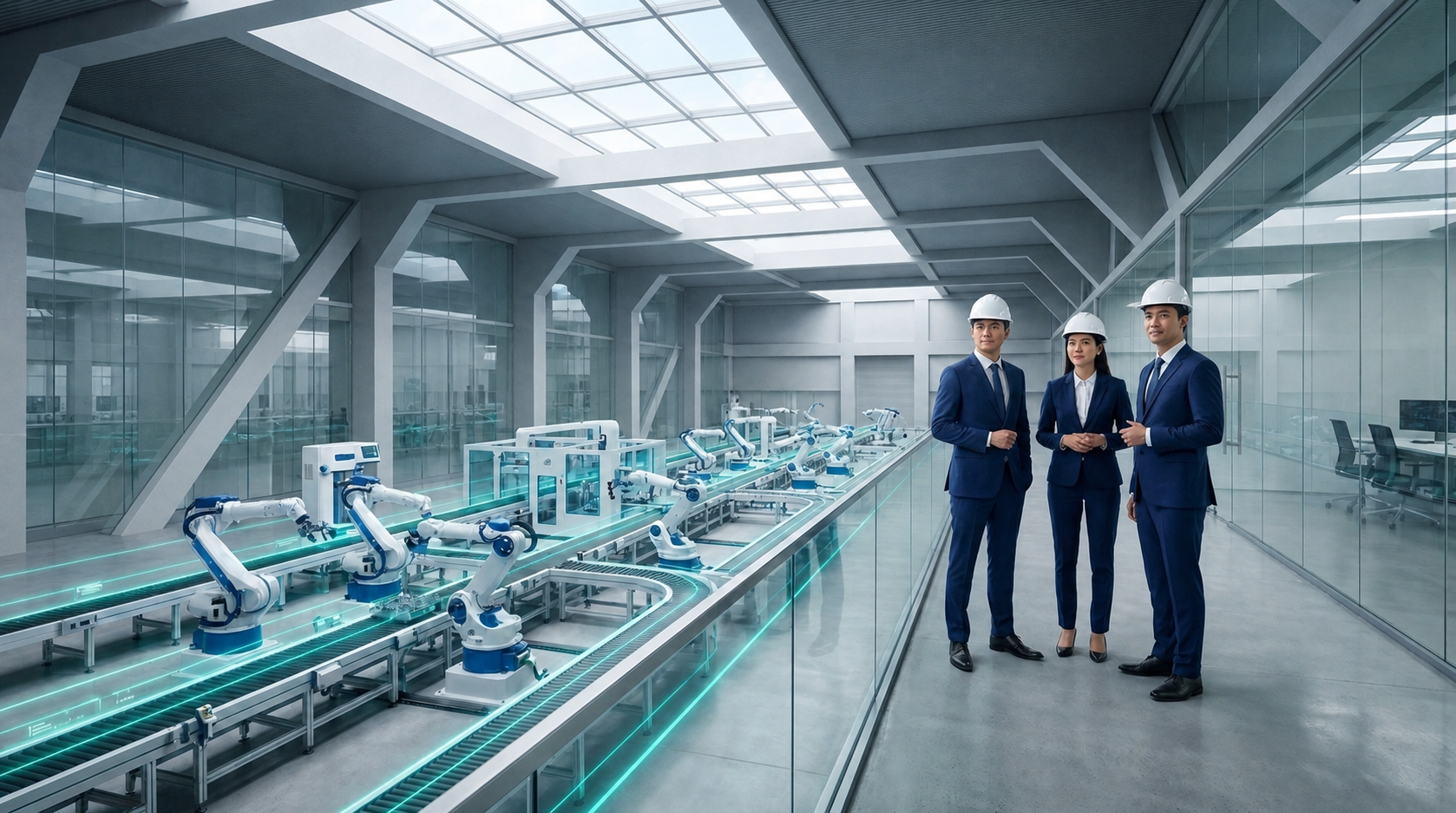
Indonesian manufacturing leaders observing connected automation and production systems from a safe architectural viewing area.

Industries

Manufacturing

Manufacturing enterprises are navigating structural change across markets, production systems, supply networks, technology, workforce capabilities, capital commitments, and the institutional conditions required to sustain responsible industrial development.

Manufacturing Enterprises Are Navigating Structural Transformation

Manufacturing enterprises operate through interconnected systems of strategy, governance, production, supply, assets, technology, data, people, capital, partners, and stakeholder responsibility. Change in one part of this system can create consequences across the wider enterprise.

Shifts in market conditions, supply relationships, technology, customer requirements, resource availability, workforce expectations, and industrial policy can increase the need for leadership to consider modernisation through an enterprise-wide frame.

Institutional Challenges Shaping Manufacturing

Manufacturing enterprises may face interconnected challenges when strategic priorities, production systems, supply networks, technology, assets, people, and governance arrangements evolve at different speeds.

Strategic and Operational Fragmentation

Enterprise direction, investment priorities, production decisions, functional responsibilities, and performance expectations may become difficult to coordinate across business units, sites, product groups, and supply relationships.

Asset and Technology Transition

Established equipment, infrastructure, processes, and operating knowledge may need to coexist with emerging automation, digital, data, and connectivity capabilities without weakening continuity or creating disconnected programmes.

Supply-Network and Operational Interdependence

Manufacturing continuity may depend on connected suppliers, materials, logistics, utilities, technology, facilities, workforces, and external systems beyond a single organisational boundary.

Capability, Governance, and Long-Term Responsibility

Modernisation priorities may need to advance while leadership maintains clear accountability, workforce capability, capital discipline, stakeholder responsibility, and a coherent view of long-term enterprise value.

These challenges are contextual and non-exhaustive. They are not findings about a particular manufacturer, facility, workforce, supply network, or industrial system and do not indicate operational deficiency, non-compliance, safety performance, investment suitability, or transformation readiness.

Manufacturing Transformation Requires Enterprise Coherence

Dayananta views manufacturing transformation as an institutional undertaking rather than a collection of isolated equipment, technology, process, supply-chain, workforce, or organisational initiatives.

Strategic direction, governance, production systems, assets, technology, data, people, capital, supply relationships, and stakeholder responsibilities need to be considered as connected parts of the enterprise.

Priorities for Strategic Manufacturing Transformation

Priorities will vary by enterprise and context, but manufacturing transformation may require coordinated leadership attention across the following institutional dimensions.

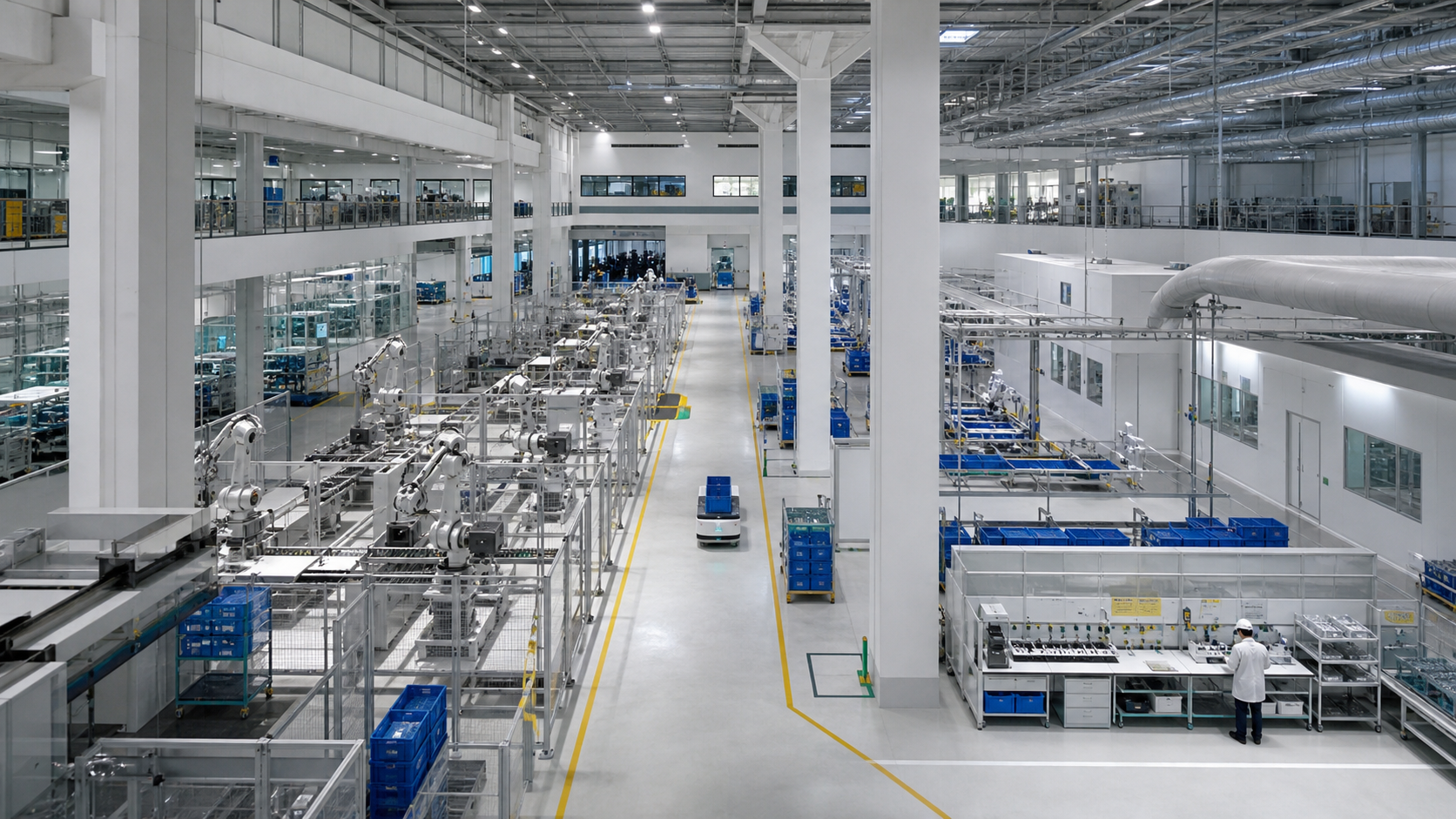
A modern manufacturing ecosystem with interconnected automated production, material-flow, and supporting operational zones.
  • Enterprise Direction and Governance

    Relate industrial ambition, portfolio choices, decision rights, accountability, investment priorities, and transformation governance to the enterprise's long-term direction.

  • Integrated Operating System

    Consider how production, planning, quality, maintenance, supply, commercial, financial, and support activities connect across the enterprise without prescribing a universal operating model.

  • Asset and Network Stewardship

    Examine facilities, equipment, infrastructure, lifecycle responsibilities, capacity choices, supply dependencies, and industrial networks as an interconnected enterprise portfolio.

  • Technology and Data Coherence

    Consider how automation, digital, information, data, and connectivity capabilities may support institutional priorities without becoming isolated technology programmes or implying a preferred platform.

  • Workforce and Organisational Capability

    Strengthen leadership, technical knowledge, organisational learning, role clarity, collaboration, and change capability required to govern industrial evolution.

  • Resilience and Responsible Industrial Value

    Connect continuity, critical dependencies, resource considerations, stakeholder responsibilities, and long-term value within accountable enterprise decisions.

These priorities are conceptual leadership considerations, not a prescribed sequence, engineering standard, technology roadmap, maturity model, operating procedure, investment recommendation, service package, or exhaustive transformation agenda. Their relevance depends on context and accountable professional decisions.

Driving Institutional Value

Long-term manufacturing value depends on more than production expansion, equipment investment, or technology adoption. Leadership needs to consider how strategic ambition relates to operating coherence, asset stewardship, enterprise capability, resilience, and responsible industrial development.

Manufacturing choices can create implications across capital, facilities, production, supply relationships, technology, data, people, customers, communities, and wider stakeholder responsibilities. An enterprise perspective helps make those relationships more visible before priorities are translated into programmes and operating commitments.

The objective is not growth at any cost, but a more coherent basis for considering how the enterprise can evolve while maintaining the capabilities, accountabilities, and adaptability required for long-term industrial continuity.

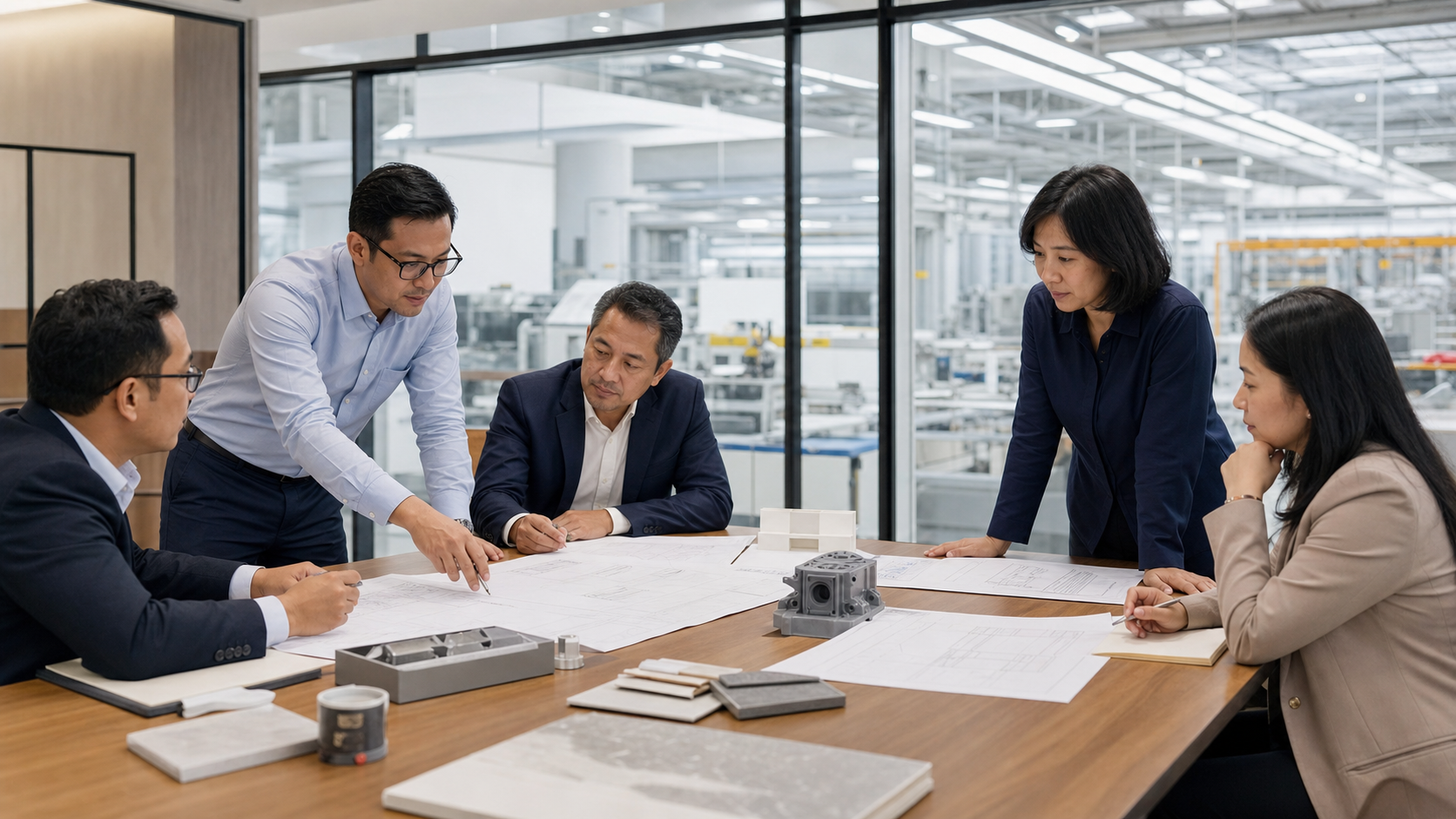
Indonesian enterprise and manufacturing leaders reviewing physical plans and material samples in a planning room overlooking a modern production environment.
  • Strategic Coherence

    Relate industrial direction, portfolio choices, operating priorities, capital commitments, and governance responsibilities within one enterprise frame.

  • Integrated Enterprise Capability

    Consider how leadership, people, processes, assets, technology, data, and external relationships combine to support institutional priorities.

  • Adaptive Execution

    Maintain the decision, learning, coordination, and review capabilities required to govern change as industrial conditions evolve.

  • Responsible Industrial Value

    Consider long-term enterprise value alongside workforce, supply, resource, stakeholder, and institutional responsibilities without implying a universal outcome.

These lenses are conceptual and non-exhaustive. They do not constitute engineering criteria, investment criteria, performance measures, operating standards, or guarantees of productivity, resilience, sustainability, value, competitiveness, or growth.

Institutional Outcomes

A coherent enterprise perspective may help manufacturing leadership strengthen the institutional conditions through which transformation choices are connected, governed, and reviewed.

Integrated Enterprise Operations

Clearer connection among enterprise direction, production systems, assets, supply relationships, technology, data, people, and organisational responsibilities.

Operational Resilience

Stronger leadership visibility across critical capabilities, dependencies, continuity considerations, and the enterprise consequences of industrial change.

Strategic Execution Capability

A more coherent basis for translating strategic priorities into governed decisions, coordinated initiatives, accountable responsibilities, and adaptive review.

Sustainable Industrial Performance

A broader institutional foundation for considering durable capability, responsible value, adaptability, and long-term industrial continuity.

These are intended institutional contributions, not measured or promised results. Their relevance and realisation depend on enterprise context, accountable leadership, professional judgement, execution, operating conditions, capabilities, people, assets, technology, data, partners, resources, obligations, and factors beyond any single enterprise intervention.

Industrial Foresight

Manufacturing leadership may use the following questions to examine how enterprise choices remain connected as industrial conditions evolve.

Direction and Governance

Which industrial priorities require clearer decision rights, accountability, portfolio choices, and alignment across the enterprise?

Operations and Interdependence

Where do production, assets, supply relationships, technology, data, people, and external dependencies require stronger enterprise connection?

Capability and Adaptation

Which leadership, workforce, organisational, and review capabilities are required to govern transformation as market and operating conditions change?

Value and Responsibility

How are long-term industrial choices being considered alongside resilience, capital commitments, stakeholder responsibilities, and the enterprise's capacity to sustain change?

These questions are conceptual prompts for leadership consideration. They are not an assessment, maturity model, diagnostic, audit, engineering review, investment analysis, or finding about any enterprise.

Architect Your Industrial Future

Engage with Dayananta to explore how an enterprise perspective may support your organisation's consideration of strategic manufacturing transformation, integrated capability, institutional resilience, and responsible long-term industrial value.

Consultation